



Plastic Bearing Manufacturer Selection for Industrial Use
Author:webmaster2019 Release times:2026.01.01

Author:webmaster2019 Release times:2026.01.01
All plastic bearing makers are not the same. Some last longer. Some work better. This depends on the material used, how the bearing is made, and where it is used. Picking the right plastic bearing manufacturer helps to parts run smooth, stay the right size, and last longer, even in tough jobs.
This blog talks about what to look for when choosing plastic bearings for industrial use. It covers material choice, supplier strength, and proper fit. The aim is to help OEMs, engineers, and buying teams choose with confidence and avoid costly mistakes.
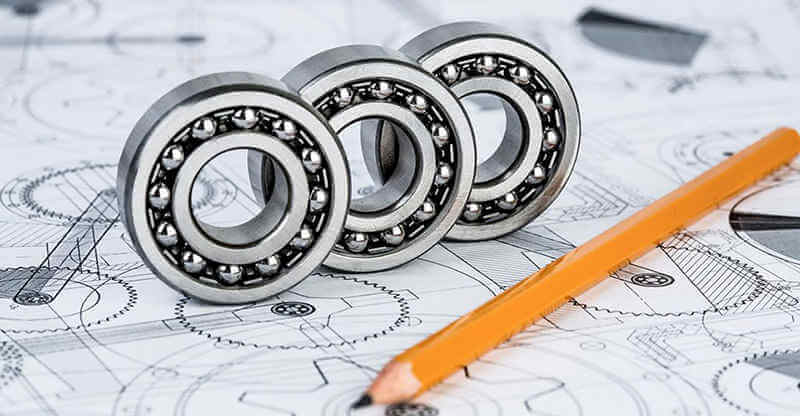
Plastic bearings find extensive application in cases where no lubrication, corrosion or noises are needed. They are widely used in the food processing, packaging, medical equipment and light-to-medium load equipment.
A typical plastic ball bearing offers advantages such as:
These benefits make plastic bearings suitable for clean environments and applications with frequent washdowns.
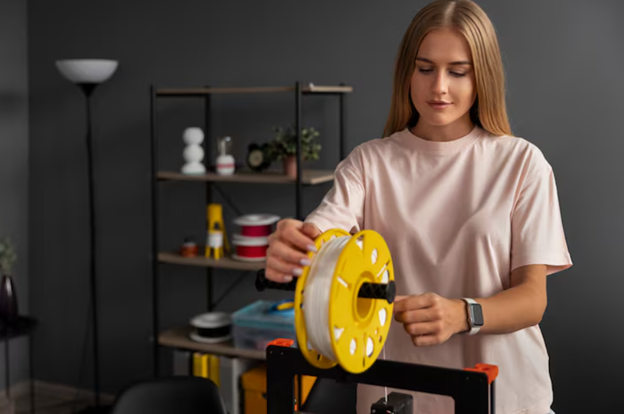
Not all manufacturers follow the same design and production standards. Industrial buyers should review technical capabilities before finalizing a supplier.
Material Engineering Expertise
A reliable manufacturer should offer multiple polymer options, such as:
Material selection directly impacts wear rate and service life.
Manufacturing Precision and Quality Control
Consistency matters in industrial settings. Look for manufacturers that:
These factors reduce unexpected failures during operation.
Application-Specific Support
Experienced manufacturers support OEMs with:
This level of support shows practical industry knowledge.
Working with established plastic ball bearings suppliers helps reduce sourcing risks. When comparing suppliers, consider the following:
Suppliers that understand industrial procurement cycles can align production schedules with project timelines.
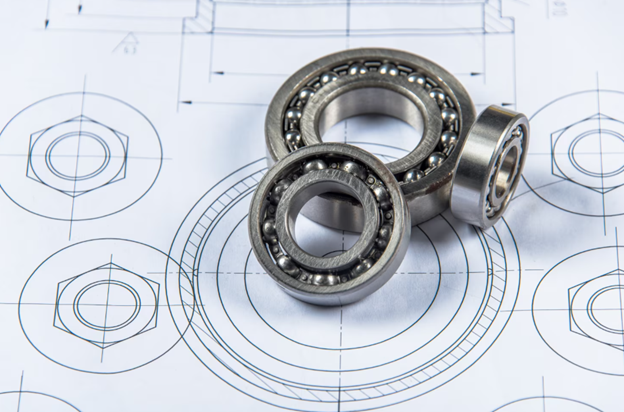
Plastic ball bearings are used in a wide range of industrial equipment, including:
A well-designed plastic ball bearing reduces downtime and simplifies maintenance planning.
Industrial buyers often operate across multiple regions. Manufacturers should meet international standards such as ISO quality systems and offer export-ready logistics. Reliable suppliers provide:
This ensures consistency across different production facilities.
Technical fit, reliability in production, and long-term support are some of the aspects that should be considered when selecting the appropriate plastic bearing partner. Assessment of the material selection, production quality, and supplier experience will help the industrial buyers to have a stable performance between applications. When purchasing precision plastic bearings as an OEM or industrial customer, it does count when a manufacturer who has done the job before is involved. For dependable solutions backed by industry knowledge, consider DMAG Bearings.
1. What industries commonly use plastic bearings?
Plastic bearings are widely used in food processing, medical equipment, packaging machinery, and light industrial automation due to their corrosion resistance and low maintenance needs.
2. How do plastic ball bearings differ from metal bearings?
They offer lower weight, quieter operation, and can run without lubrication, making them suitable for clean or moisture-prone environments.
3. What should I check before choosing plastic ball bearings suppliers?
Review material options, quality control processes, technical support, and compliance with international standards.
4. Can plastic bearings handle industrial loads?
Yes, when properly selected. Reinforced polymers and correct design allow plastic bearings to handle moderate industrial loads reliably.


 Optimized by Seraphinite Accelerator