



OEM Self-Aligning Roller Bearings for Heavy-Duty Equipment
Author:webmaster2019 Release times:2026.01.05
Author:webmaster2019 Release times:2026.01.05
Heavy-duty equipment is used in constant load conditions, vibration and misalignment. Under such condition standard bearing solutions do not tend to deliver a consistent performance. OEM self-aligning roller bearings are designed with the purpose of facing deflection of shafts, mounting error and harsh industrial conditions. This blog describes how they apply to heavy-duty purposes, what to look at when procuring them, and why the selecting the right OEM partner is important for long-term equipment reliability and efficiency.
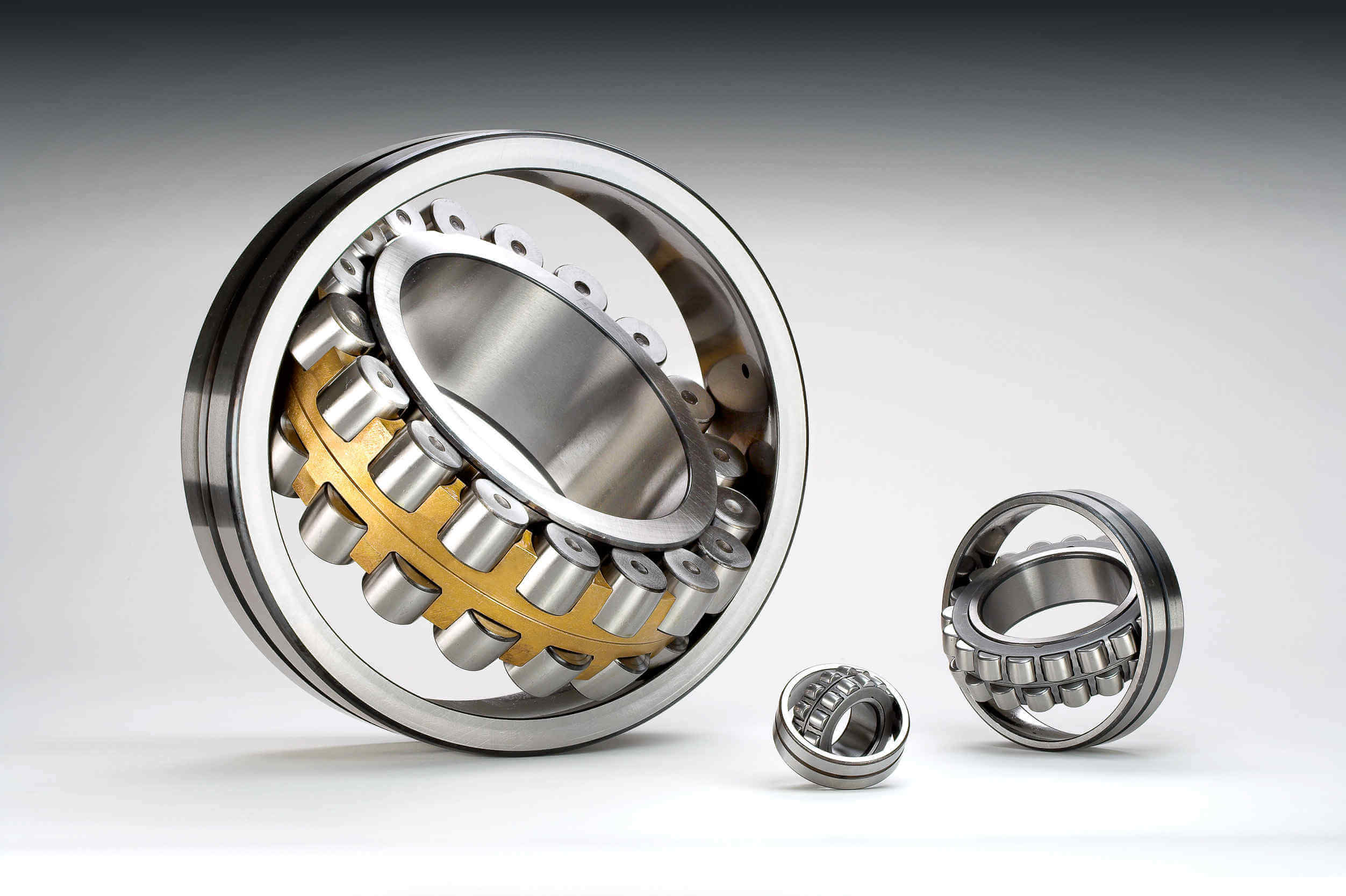
Self-aligning roller bearings are constructed by having a spherical raceway that enables the bearing to self-correct during misalignment between the shaft and the housing. This design reduces the stress in the interior and lowers the untimely wear.
Key characteristics include:
These features make them suitable for industries where equipment alignment cannot be perfectly maintained during operation.
Original Equipment Manufacturer (OEM) bearings are manufactured to match the equipment manufactures with their specific technical specifications. OEM bearings are also designed to fit precise load rating, tolerances, materials and lubrication requirements, unlike generic alternatives.
Using OEM self-aligning roller bearings ensures:
For heavy-duty equipment, even small deviations in bearing specifications can result in vibration, overheating, or early failure.
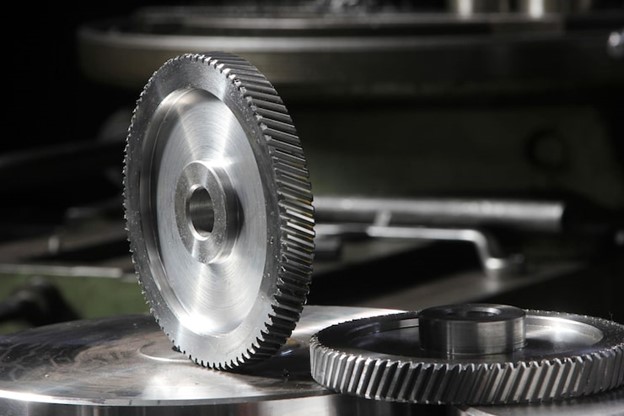
Roller bearings that self-align are very common in the various industrial sectors because of their flexibility and durability.
Common applications include:
These environments often involve uneven loads, dust, moisture, and continuous operation, all of which demand robust bearing solutions.
Oem bearing supply partner must be selected in such a way to make sure that the equipment is safe in terms of its performance and operation. Any supplier is not just found that is equally technologically competent or quality controlled.
Important criteria to evaluate:
A qualified supplier should also provide application guidance to ensure the bearing selection matches real operating conditions.
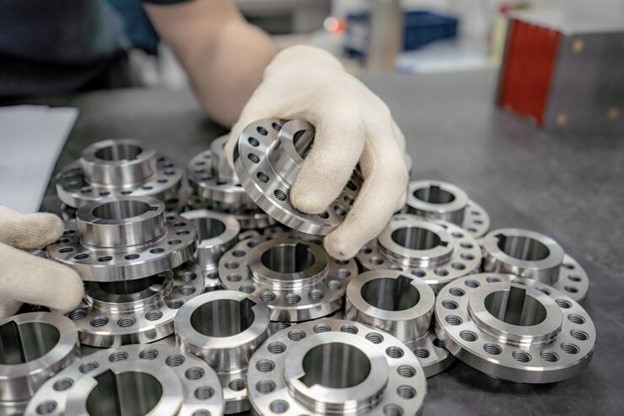
When properly specified and installed, self-aligning roller bearings offer measurable performance advantages:
These benefits directly impact productivity, especially in industries where equipment downtime is costly and disruptive.
OEM Bearing Suppliers for Industrial Applications do not deal with one-time transactions, but with long-lasting partnerships. They are conversant with machinery design and load within real-world operating challenges.
Such suppliers typically offer:
This level of support is essential for manufacturers and operators of heavy-duty equipment.
Self-aligning roller bearings OEM of the performance and durability of heavy machinery. OEMs of self-aligning roller bearings are a significant component of the performance and durability of heavy machinery. They are in use in the industrial sectors of choice due to their capability to deal with misalignment, high loads and poor environments. Selecting the appropriate OEM partner guarantees a stable quality, proper specification and predictable performance throughout the lifecycle of the equipment. For customized bearing solutions and industrial-grade reliability, partner with DMAG Bearings.
1. What makes self-aligning roller bearings suitable for heavy-duty equipment?
They compensate for shaft misalignment while handling high radial loads and vibration, reducing stress and wear.
2. Are OEM bearings better than standard off-the-shelf bearings?
Yes. OEM bearings are designed to match exact equipment specifications, ensuring better fit, performance, and lifespan.
3. Which industries commonly use self-aligning roller bearings?
Mining, construction, steel production, agriculture, and material handling industries rely heavily on them.
4. How do I choose a reliable OEM bearing supplier?
Look for manufacturing certifications, customization capabilities, technical support, and consistent quality control processes.