



Miniature Precision Ball Bearings for High-Accuracy Applications
Author:webmaster2019 Release times:2026.01.03

Author:webmaster2019 Release times:2026.01.03
Small bearings are very important in contemporary mechanical systems where there is a lack of space but high performance needs to be achieved. So, Miniature Precision Ball Bearings are developed with the aim of providing consistent accuracy and smooth rotation with low friction in miniature assemblies. These bearings are used in medical devices, robotics, electronics, instrumentation, and high-speed machinery. The blog sheds light on the reasons why these bearings are appropriate in high-accuracy applications, performance considerations for use and the selection of the appropriate bearing in terms of long-term reliability.
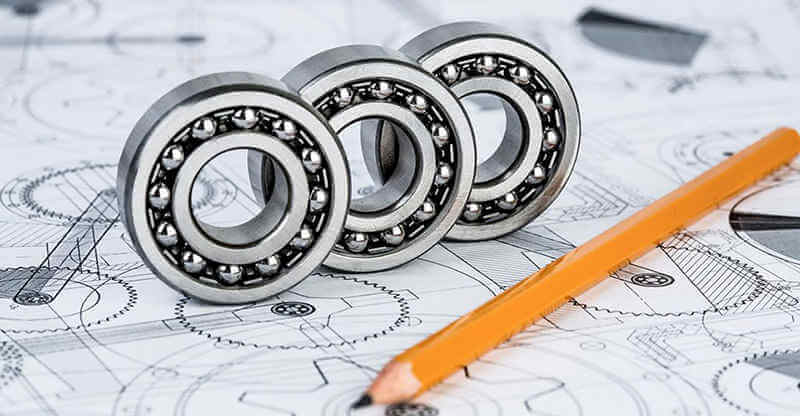
Miniature precision ball bearings are small-sized rolling components manufactured with tight dimensional tolerances and superior surface finishes. Unlike standard miniature bearings, precision-grade versions are optimized for accuracy, speed, stability, and low vibration.
They are typically defined by:
These features allow them to perform reliably in applications where even minor deviations can affect system output.
Tight Manufacturing Tolerances
Precision bearings are produced under strict quality control to ensure consistent geometry. This reduces runout and improves rotational accuracy, which is essential in sensitive equipment.
Low Friction and Smooth Operation
The balls are used for high quality purposes, either steel or ceramic, and with the help of optimized lubrication, they reduce friction. This helps in stable low and high-speed operation.
Controlled Noise and Vibration
Miniature ball bearings are designed with high preciseness to minimize the level of vibrations. This is more significant in medical tools, optical equipment and measurement tools.
Material Options
Common materials include:
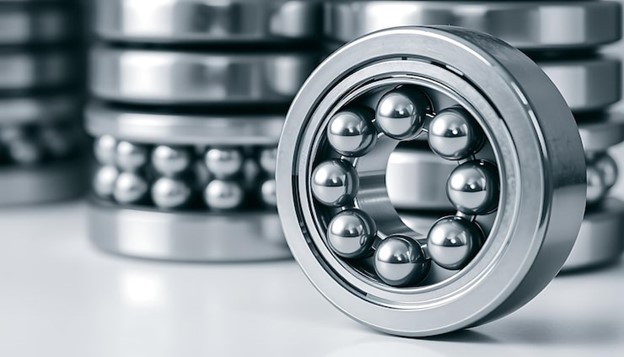
High-accuracy miniature bearings are commonly employed in all industries that require small sizes as well as reliable performance.
Typical applications include:
In such conditions, miniature ball bearings assist in keeping alignment, decreasing wear and increasing serviceable life.
Choosing the correct bearing involves more than size matching. Engineers and buyers should evaluate several operating factors.
Understand both radial and axial loads, as well as operating speed limits. High-speed applications require balanced designs and proper lubrication.
Temperature, moisture, and chemical exposure directly affect bearing performance. Stainless or ceramic options may be necessary for harsh conditions.
Tolerance quality in the form of precision is denoted by ABEC or ISO classes. Better grades will facilitate stricter management and easier movement.
Grease or oil selection impacts friction, noise, and lifespan. Factory-lubricated bearings simplify installation and reduce maintenance.
Many buyers prefer to Buy Miniature Bearings online to compare specifications quickly and access a broader product range with technical documentation.

Using precision-grade miniature bearings provides measurable advantages:
For OEMs, selecting reliable suppliers of precision miniature ball bearings also ensures consistency across production batches.
High-accuracy applications often require custom solutions, including:
A bearing manufacturer with experience would assist in making sure that the bearing is to the intention of the design as well as the performance of the bearing in the real world.
Small ball bearings are a crucial part of small, high-performance machines. The versatility of their operation, durability, and precision in the medical, industrial and technological fields are used in demanding applications. Buyers can greatly enhance the performance and reliability of equipment by knowing about operating requirements and making the right selection of the specifications. Select DMAG Bearings for sourcing, technical support, and OEM solutions.
1. What makes miniature precision ball bearings different from standard miniature bearings?
They are manufactured with tighter tolerances, lower vibration levels, and improved surface finishes for higher accuracy.
2. Are precision miniature ball bearings suitable for high-speed applications?
Yes, when properly selected with the right material, lubrication, and clearance.
3. Can miniature precision bearings handle axial loads?
They can handle limited axial loads, but load capacity depends on bearing type and design.
4. Is online purchasing suitable for precision bearings?
Yes, when technical specifications, quality standards, and supplier credibility are clearly provided.


 Optimized by Seraphinite Accelerator