



Best Uses of Self-Aligning Ball Bearings in Machinery
Author:webmaster2019 Release times:2026.04.01

Author:webmaster2019 Release times:2026.04.01
A slight misalignment in machinery can quietly reduce efficiency by up to 30 percent. It does not look serious at first, but over time, it leads to wear, noise and unexpected shutdowns. This is where bearings built to adjust themselves make a real difference. OEM self-aligning roller bearings are widely used for this exact reason. This blog covers where they work best, why industries rely on them and how they improve machine life without complex changes.
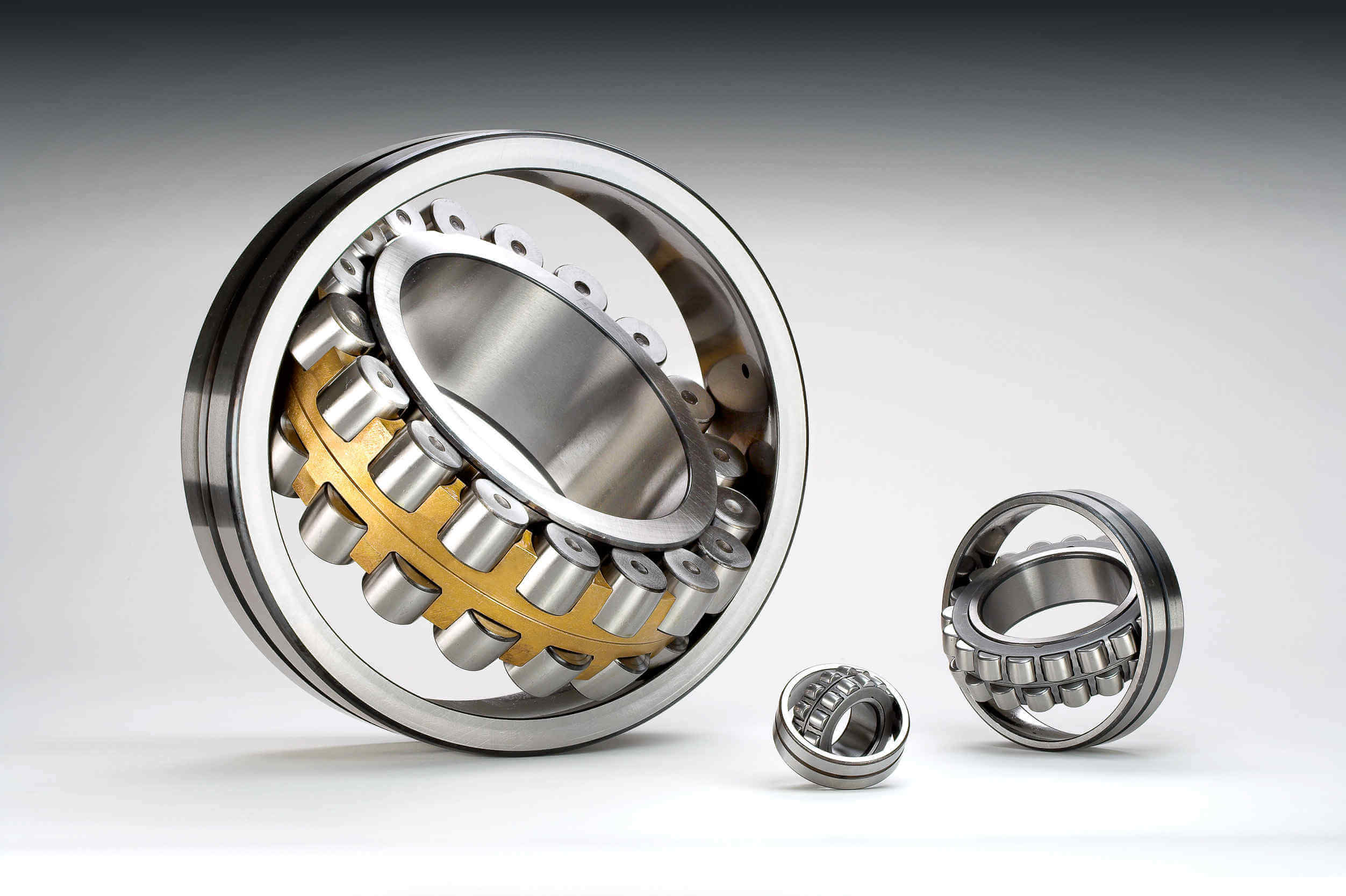
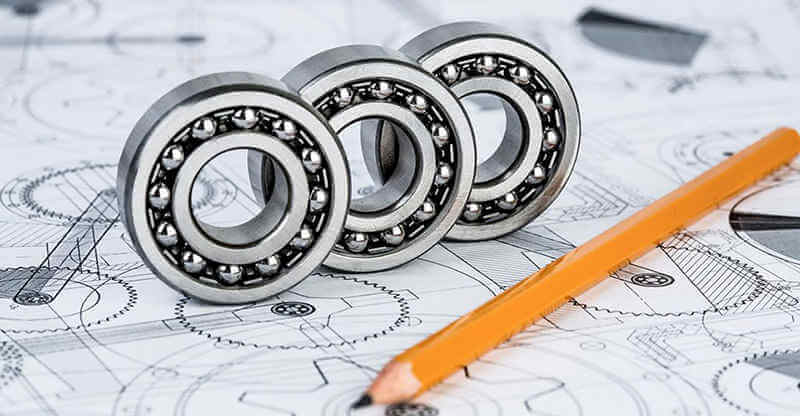
Self-aligning ball bearings are designed to handle shaft misalignment. They adjust automatically when shafts bend or shift during operation. This small feature solves a big problem. Machines rarely stay perfectly aligned, especially under load or vibration. These bearings keep things running smoothly without constant manual correction. Less friction. Less stress. Longer life.
Different industries use these bearings in different ways. The use depends on load, speed and working conditions.
Where they perform best:
These conditions appear more often than expected in real setups.
Vibration-heavy machines are one of the biggest users of these bearings.
Why they work well in such systems:
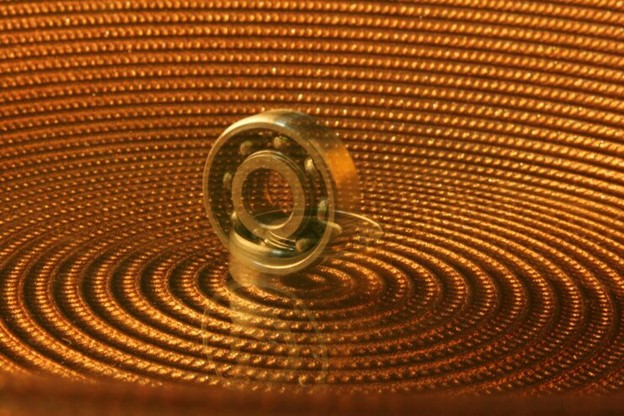
This is why Vibration screen bearings are often designed with self-aligning properties. Screening equipment runs non-stop and faces continuous shaking. Without alignment support, failure rates increase quickly.
Construction machinery deals with rough environments. Dust, load shifts and uneven surfaces create constant alignment challenges.
Key benefits in heavy-duty machines:
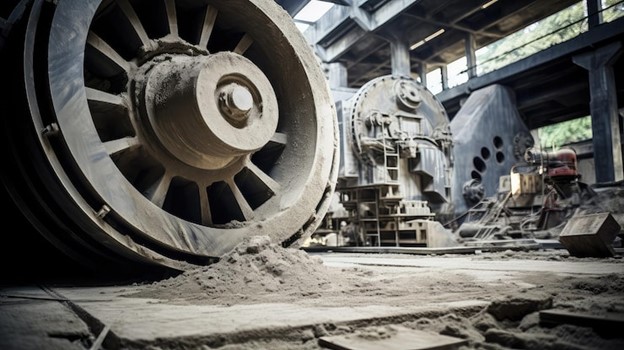
Handles shock loads without immediate damage
This is clearly seen in Cement mixer bearings, where rotation is continuous and the load is uneven. A standard bearing may fail early, but a self-aligning one adjusts and continues working.
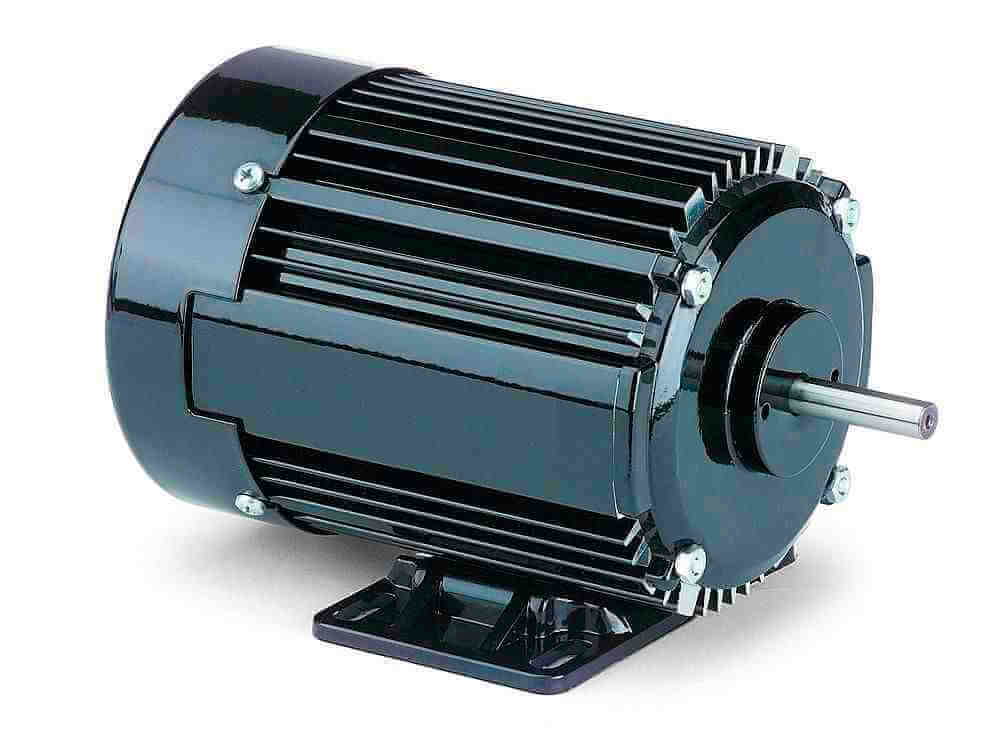
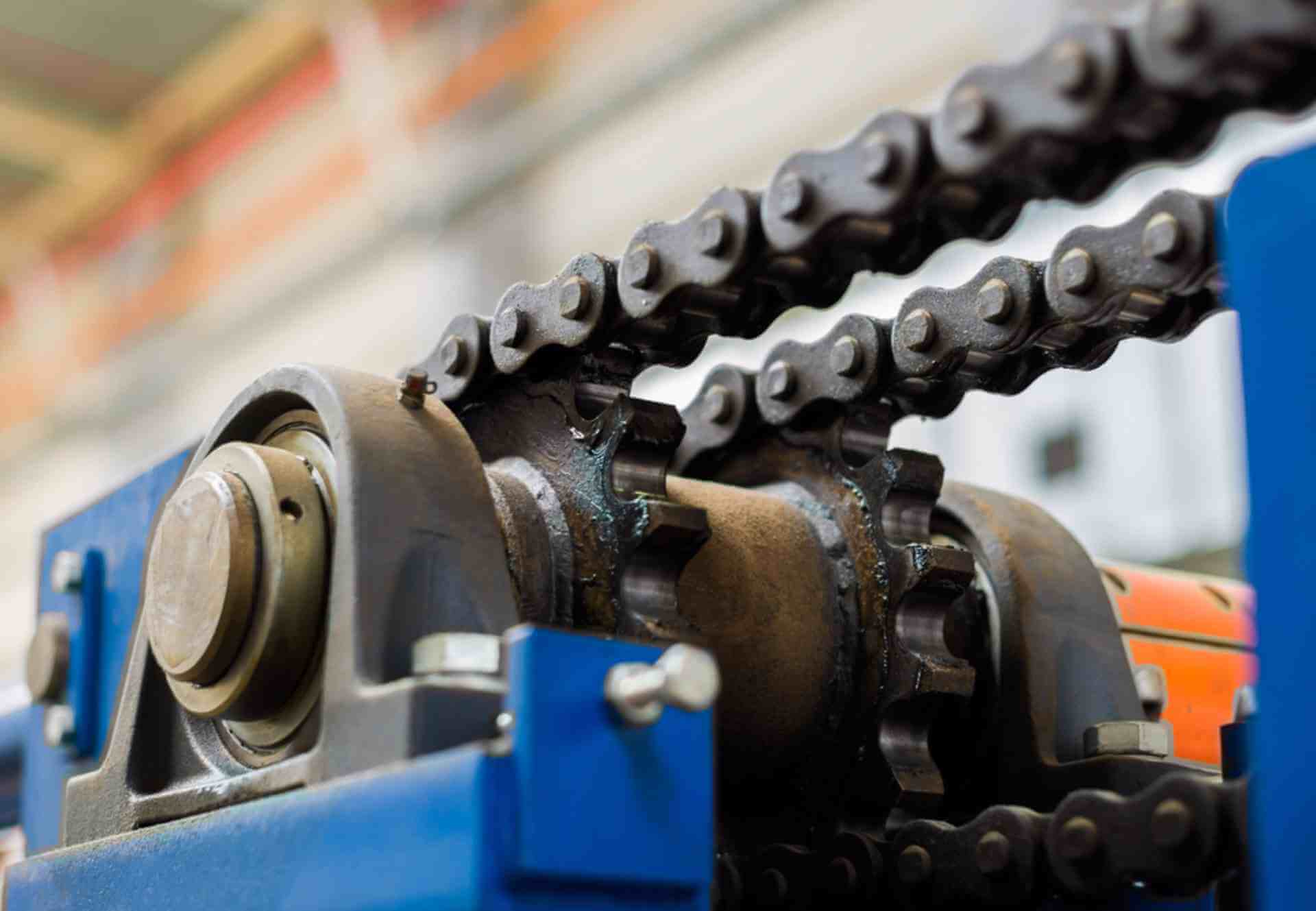
Manufacturing lines often run for long hours. Small alignment issues build up over time and lead to performance drops. Self-aligning bearings help maintain flow. They allow minor installation errors without affecting output. That flexibility saves time during setup and reduces downtime later. Factories dealing with conveyors, motors and rotating shafts often depend on this feature more than expected.
Many operators notice the difference only after switching to self-aligning bearings. Machines run quieter. Heat levels drop slightly. Maintenance intervals extend. A small change, but noticeable over weeks. Engineers often choose them not because they are advanced, but because they solve a common problem in a simple way.
Not every machine needs this type of bearing. Selection depends on working conditions.
Choose self-aligning bearings if:
This approach keeps operations stable without constant intervention.
Self-aligning ball bearings are not complex and they resolve real problems that many machines encounter in their daily activities. Their adaptability and mitigating stress ability make them helpful in industries, starting with vibrating equipment and heavy-duty mixers. The selection of the applicable application enhances performance, lowers downtime and increases machine life. For reliable industrial solutions backed by experience, DMAG BEARINGS continues to support efficient and durable operations.
1. What are OEM self-aligning roller bearings used for?
OEM self-aligning roller bearings are used in machines where shaft misalignment is common. They help maintain smooth rotation and reduce wear.
2. Why are vibration screen bearings important?
Vibration screen bearings handle constant shaking and uneven loads. They prevent early failure and improve machine stability.
3. Where are cement mixer bearings used?
Cement mixer bearings are used in rotating drum systems. They support heavy loads and adjust to alignment changes during operation.
4. How do self-aligning bearings improve machine life?
They reduce internal stress, handle misalignment, and lower friction. This leads to less damage and longer operating life.


 Optimized by Seraphinite Accelerator