



Angular Contact Bearings Supplier Guide for High-Speed Applications
Author:webmaster2019 Release times:2026.01.07

Author:webmaster2019 Release times:2026.01.07
The choice of the bearing solution depends on machine speed, load balance and required precision that has a direct impact on performance and machine life. Angular contact bearings have been used widely in such settings because they can easily deal with both radial and axial loads. This blog describes the way an angular contact bearing supplier can be evaluated, which specifications are the most important in high-speed applications and how the sourcing of the manufacturing regions of high reputation can contribute to reliability and cost management.
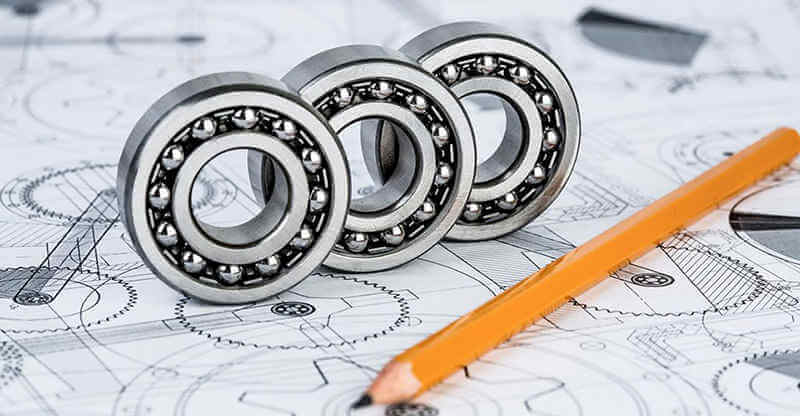
Angular contact bearings are designed with raceways positioned at a specific contact angle. This design allows the bearing to support axial loads in one direction while maintaining stability at high rotational speeds. They are commonly used in:
Bearing accuracy, internal clearance, lubrication compatibility and heat resistance are important factors when it comes to high-speed applications.
Quality and technical support are not offered equally by all suppliers. Assessing a supplier not only by price is an attempt to avoid failure and downtime.
A reliable angular contact bearings supplier should operate or partner with ISO-certified manufacturing facilities. Look for suppliers that offer:
High-speed applications often require more than standard catalog bearings. A capable supplier should provide:
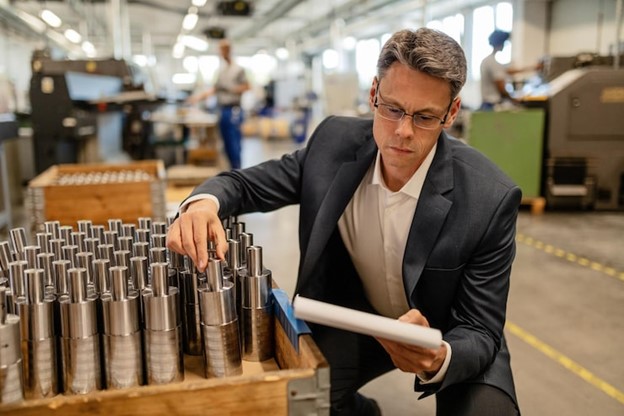
Global buyers increasingly work with China bearing suppliers online due to scalability and competitive pricing. However, supplier selection should focus on technical credibility, not just cost.
Advantages of sourcing online include:
To reduce sourcing risk, buyers should verify factory audits, testing standards, and export experience before placing bulk orders.
High-speed operational angled contact bearings should be of a certain type. When examining specifications, the following are to be given preference:
Speed Rating and Contact Angle
Bearings with smaller contact angles (15° or 25°) are typically better suited for higher speeds, while larger angles handle higher axial loads at lower speeds.
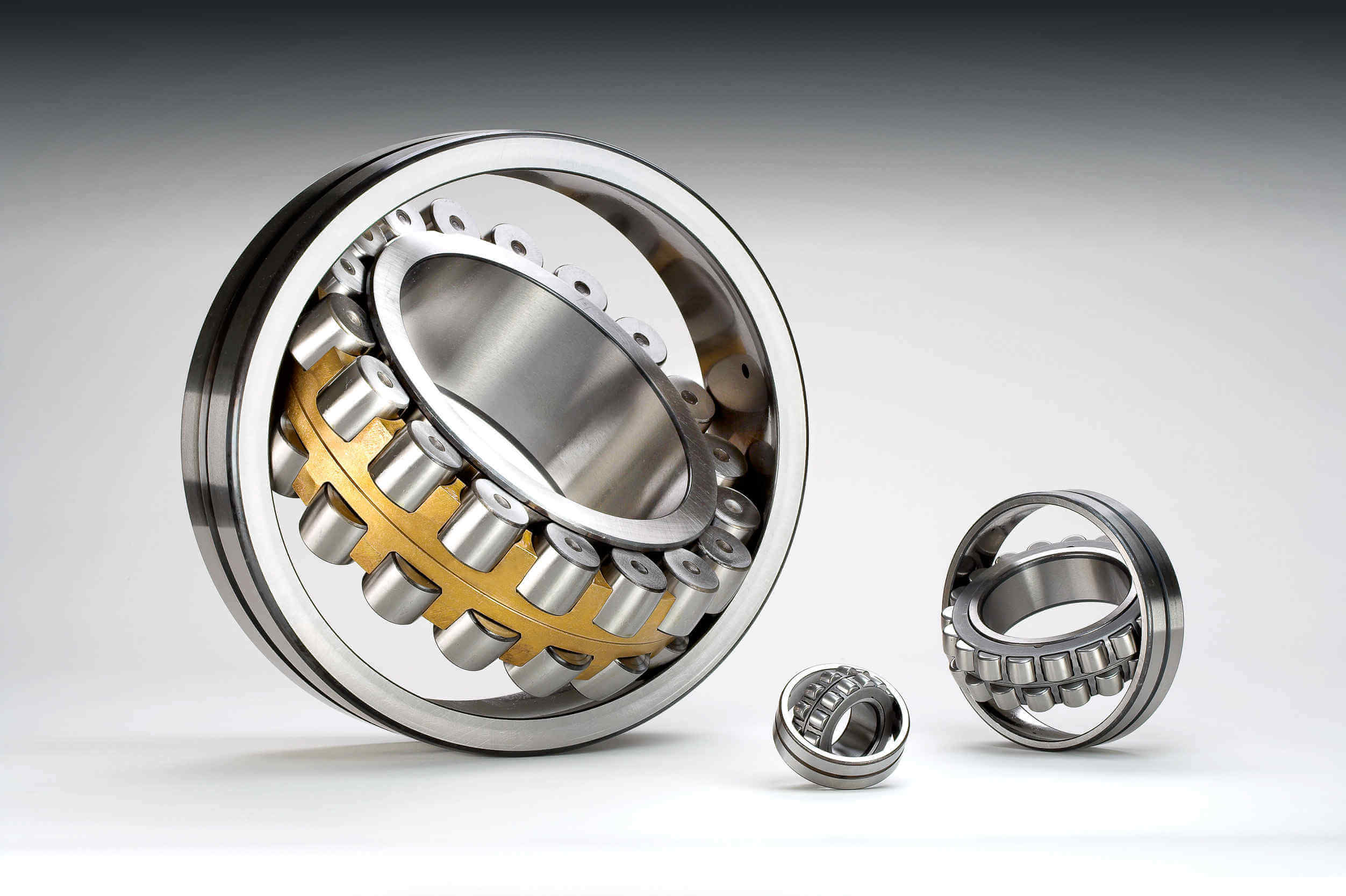
Cage Design and Materials
Cage material affects heat dissipation and rotational stability. Common options include:
Lubrication Compatibility
High-speed bearings require compatible grease or oil lubrication to manage heat and reduce wear. Suppliers should provide lubrication recommendations for different speed ranges.
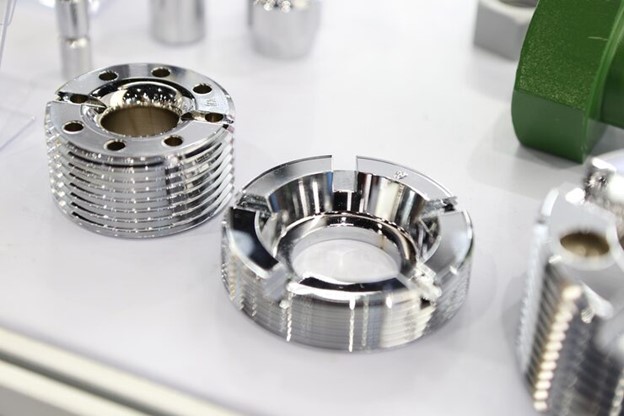
Working directly with a bearing manufacturing company offers better control over product consistency and lead times. Manufacturers can support:
Direct manufacturing relationships also simplify quality traceability and after-sales technical support, which is essential for industrial equipment operators.
Angular contact bearings are commonly specified in:
Each application demands precise matching of bearing design to operating conditions.
Angular contact bearings are important in high-speed industrial equipment where there is no room to compromise precision and durability. The correct choice of the supplier is based on the quality of the manufacture, technical knowledge and practical support and not only on the price. Bearing specification and source strategy enable buyers to attain extended services and consistent performance in harsh conditions.
For reliable sourcing and technical support, work with DMAG Bearings.
1. What makes angular contact bearings suitable for high-speed applications?
Their contact angle design allows stable operation under combined loads while maintaining high rotational accuracy.
2. How do I verify the quality of online bearing suppliers?
Check certifications, factory audits, testing procedures, and export experience before ordering.
3. Are matched bearing sets necessary for high-speed spindles?
Yes. Matched sets ensure correct preload and minimize vibration at high RPM.
4. Can angular contact bearings be customized for specific machines?
Yes. Many manufacturers offer custom clearances, cage materials, and preload options based on application needs.


 Optimized by Seraphinite Accelerator